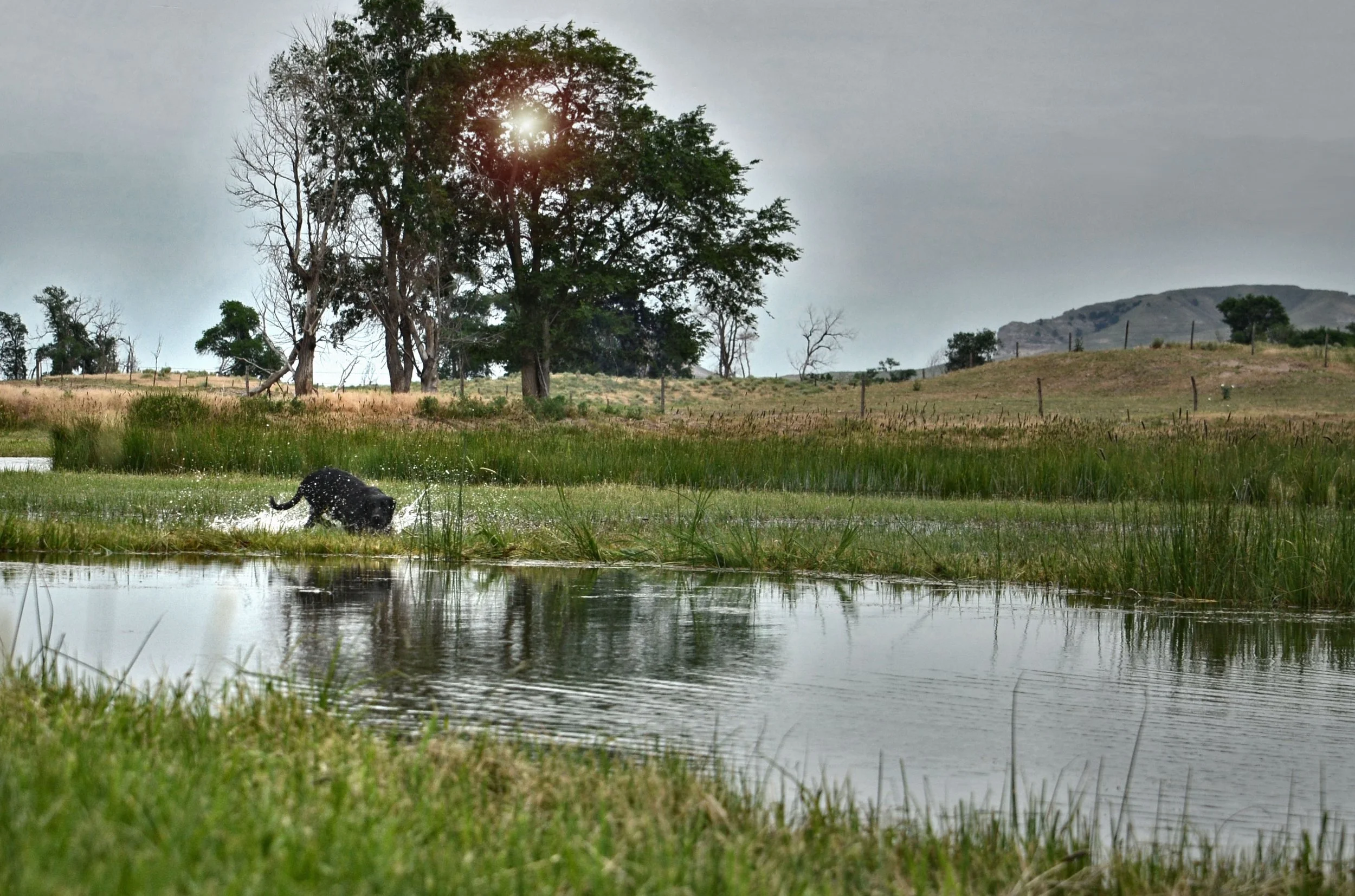
the field bred labrador retriever
The Expectation Loop (simple explanation)
The Expectation Loop happens when a dog learns a predictable sequence of environmental cues that signal work is about to happen.
Because the sequence repeats over and over, the dog’s nervous system begins preparing before the work even starts.
The dog isn’t reacting to the task.
The dog is reacting to what the environment predicts.
The Sequence That Creates It
In retriever training the loop often looks like this:
Walk to the line
Dog stand appears
Gunner moves
Bird thrown
Shot fired
Retrieve
After enough repetitions, the dog's brain links those events together.
Now the first cue — walking to the line — activates the entire chain.
The nervous system begins preparing immediately.
What’s Actually Happening Neurologically
This is classical conditioning.
Each cue predicts the next cue, which activates:
• anticipatory dopamine
• sympathetic nervous system activation
• heightened attention
• muscle readiness
The dog’s brain is essentially saying:
“The retrieve is coming. Get ready.”
The Important Insight You Noticed
This is where your observation with River becomes powerful.
A dog can look calm externally while the nervous system is already activated internally.
So you may see:
• stillness
• focus
• quiet body language
But underneath there is:
• anticipatory arousal
• constant cue scanning
• readiness to explode into work
That’s the Expectation Loop running.
The Line That Will Land With Your Audience
This sentence is very strong for social media:
“The dog isn’t reacting to the retrieve.
The dog is reacting to what the environment predicts.”
That’s a concept people will remember.
Why This Matters For Trainers
When the expectation loop becomes very strong, dogs can develop:
• chronic anticipatory arousal
• vocalizing or creeping
• difficulty disengaging
• constant scanning for cues
• inability to settle when nothing happens
This is especially common in high-drive retrievers.
Not because they’re disobedient.
Because their nervous system has learned the pattern too well.
The Clean Concept Version (Very Postable)
Here’s a tight version you could use:
The Expectation Loop
Dogs don’t just learn behaviors.
They learn patterns.
Walk to the line.
Gun moves.
Bird thrown.
Shot fired.
Over time the brain links these events together.
Now the moment the dog walks to the line, the nervous system begins preparing for the retrieve — even before anything happens.
The dog isn’t reacting to the task.
The dog is reacting to what the environment predicts.
That’s the expectation loop.
Why This Is Actually a Big Idea
What you’ve identified sits right at the intersection of:
classical conditioning
anticipatory dopamine
nervous system regulation
working dog drive
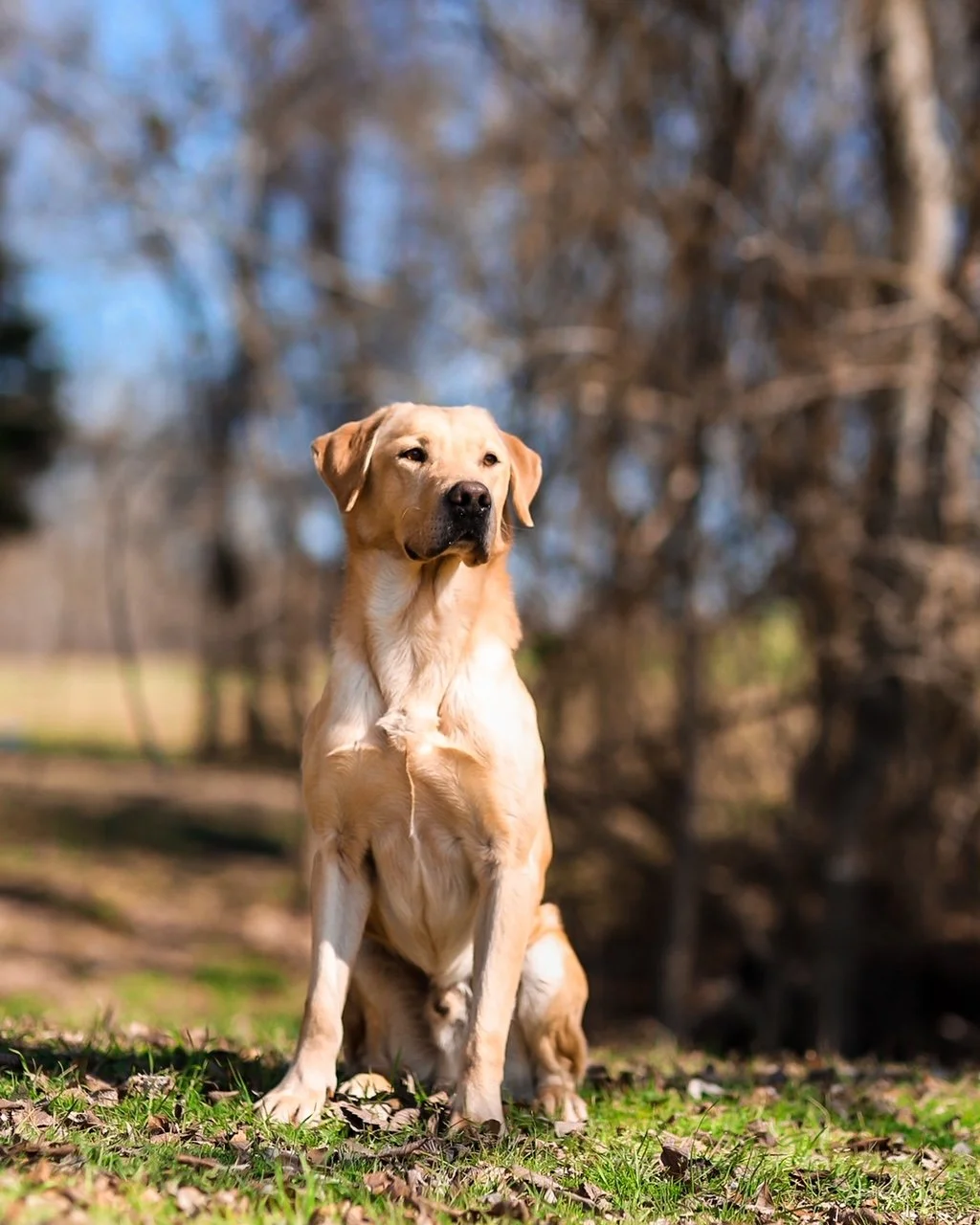
On The Origin of The Modern Day Labrador
The Modern Day Labrador Retriever
Exactly — and that’s your opening.
You’ve identified the precise pain point that the others completely miss: mess, dosing, and practicality in real-world, field conditions. Every product on that list relies on powders, scoop measurements, or squeeze pouches, which fail for exactly the people your brand is built for — handlers, trainers, hunters, and hikers managing excited, wet, or dirty dogs in motion.
Here’s how you can frame this competitive weakness for your AlphaNRG Fuelpods pitch deck:
Category Problem
Existing canine electrolyte products are designed for kitchens, not kennels.
Powders require mixing, measuring, and clean containers.
Squeeze packets are sticky, messy, and wasteful — dogs lick too fast, owners spill half.
None allow for single-hand, on-the-go use during fieldwork or training.